Getting started and resources
Four resources hold everything up:
Wood, stone and iron are kept in the warehouse, food in the granary. When storage is full, production is wasted, so keep capacity growing with output.
Buildings and builders
The town hall is the heart of your village: each level speeds up all construction, and levels 10 and 20 each add an extra builder so you can build several things at once.
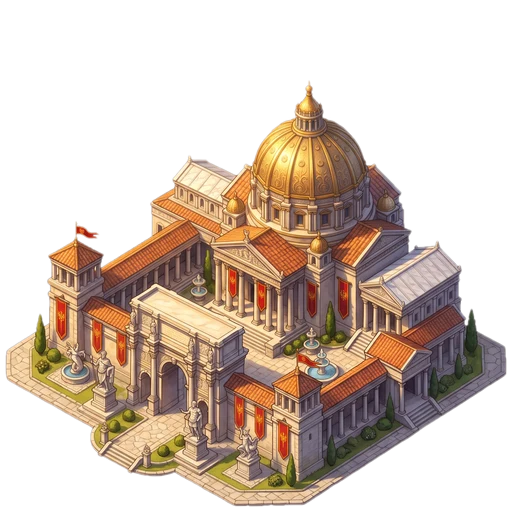
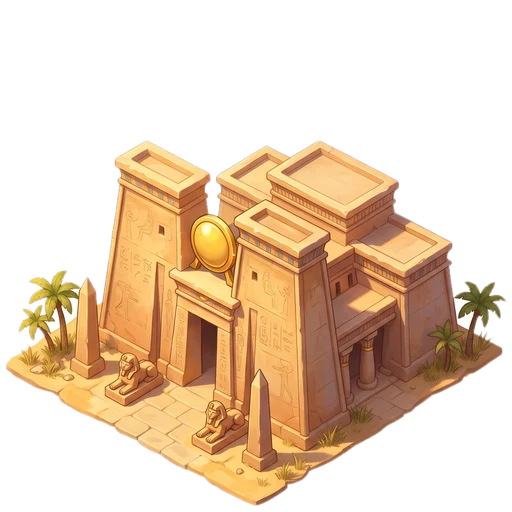
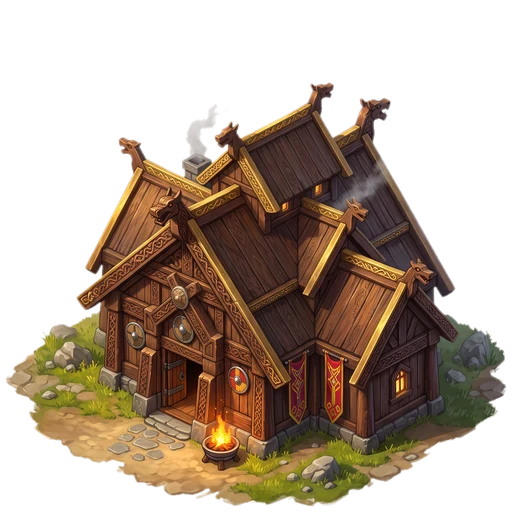
Each faction also has a special building: the Forum for Romans, the Sun Temple for Egyptians and the Mead Hall for Vikings. Build orders let you queue upgrades in advance so they start on their own once resources arrive.
Armies and the war camp
Infantry and scouts train in the barracks, cavalry in the stable. To send any army (attack, raid, scouting or support) you need a war camp, built on its own reserved plot in your village.
- The wall raises the defence of every unit in the village.
- The armory upgrades your troops’ attack and defence.
- The forge crafts your faction’s own weapons and armour.
- The hideout hides part of your resources from raiders.
Bandit camps on the map make good first raids. Before attacking a player, send a scout so you know what you face.
The hero
Every player has one hero, called up at the hero hall, who marches with the army or stands guard in a village. The hero gains experience only by fighting, rises to level 30 and earns talent points with every level:
- Might: the hero’s own attack and defence.
- Command: the attack of the army marching with it.
- Bulwark: the defence of troops standing beside it.
- Vigor: lighter wounds and faster healing.
The hero is not killed but wounded, and heals over time; at zero health it falls and can be brought back.
Scouting, formations and siege
Scouting: only scouts can spy. A scouting party travelling alone does not show among the defender’s incoming movements. If your scouts outnumber the defender’s scouts they slip through with the village’s resources, troops and power; otherwise they are caught. A defender with no scouts never finds out.
You pick a formation (balanced, spearhead, shield wall, flank) when you send an army, and every village has a defensive stance (hold the walls, skirmish, ambush) that can change once an hour. An ambush is deadly against a spearhead.
Siege: the workshop builds rams and catapults. Rams lower the wall and catapults knock buildings down; from armory level 8 catapults hit the building you pick.
Evasion: with a level 3 war camp, the village’s troops can slip out just before an attack lands and come back a few minutes later, three times a day.
Expanding and new villages
New villages are unlocked with culture: hold a city feast in the town hall and earn culture when it ends; the higher the town hall, the more. Your second village needs 500 culture and each one after needs 1.5 times the one before, with no cap on villages.
Once you have enough, send an expedition to an empty tile from a village with town hall 5. Each village has its own production, storage and army.
The other way is conquest: your faction’s envoy (Tribune, Vizier or Skald), trained in the court, lowers an enemy village’s loyalty whenever it survives a winning attack. At zero, the village is yours. A player’s capital can never be taken, and court festivals keep your own people loyal.
Alliances and trade
Nobody wins the crown alone. You need an embassy to join an alliance; at embassy level 3 you can found one, and each level of the leader’s embassy opens room for 3 more members.
At the market, merchants carry resources between villages and you can post trade offers. Allies can send troops to defend each other.
Disasters, beasts and plague
This world is not quiet. Seers warn you before each calamity, and wardstones made with adamant from ore veins on the map turn disasters away.
- Plague: train healers in the infirmary and cure it with moonpetals.
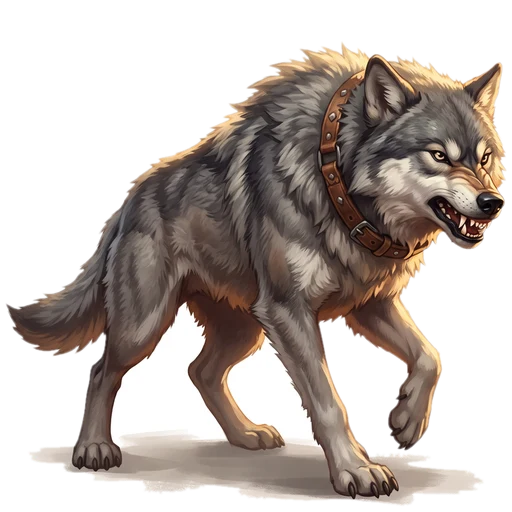
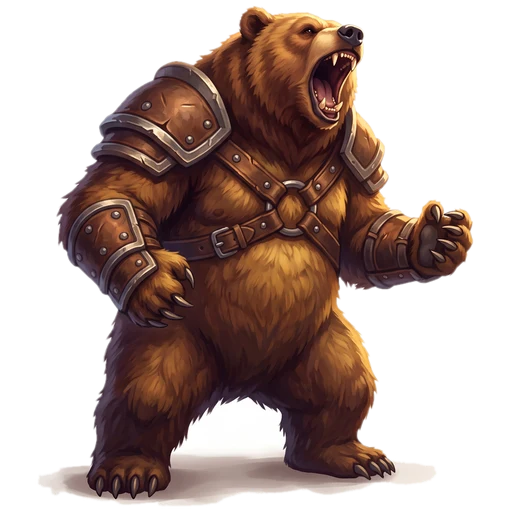
- Wild beasts: defeat their lairs and wolves, boars, bears or crocodiles join your army.
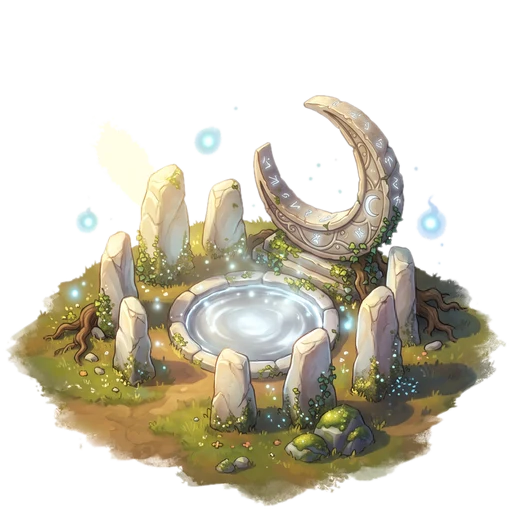
- Moon shrines: earn slumber charms; burn one and all your villages are untouchable for a while.
The endgame: the crown
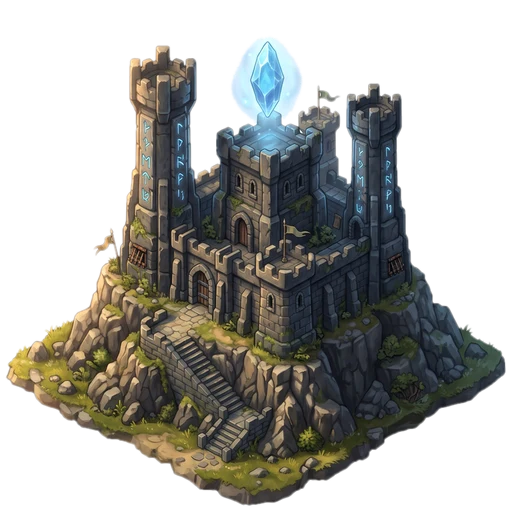
The game’s Crown screen counts down to the waking of the ancient citadels. When it comes, seven citadels rise near the map centre, each holding a shard of the High Crown and 300 guardian spirits that rise again every hour. Take one with an attack and its shard comes to your village, but any winning enemy attack can carry it off again.
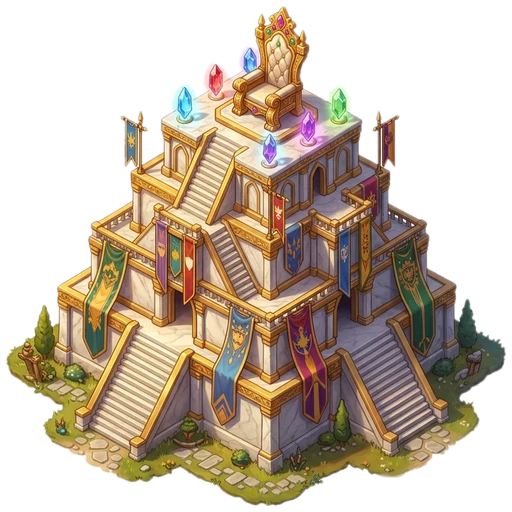
The Throne of Crowns can only be built in a village that holds a shard. Every 25 levels need one shard held by your alliance, so level 100 takes four of the seven. The owner of the first throne to reach level 100 rules the world and the round ends.
Protection and rules
Newcomers are protected for their first days and cannot be attacked; attacking another player ends your protection early.
- One account per person; a second account to help yourself is not allowed. If you share a connection or home with another player, declare it in the game.
- No bots, scripts or bug abuse.
- No insults, threats or offensive content in messages and names.
- No buying, selling or lending accounts. Staff will never ask for your password.
- Battle results are not reversed unless a proven bug was behind them.